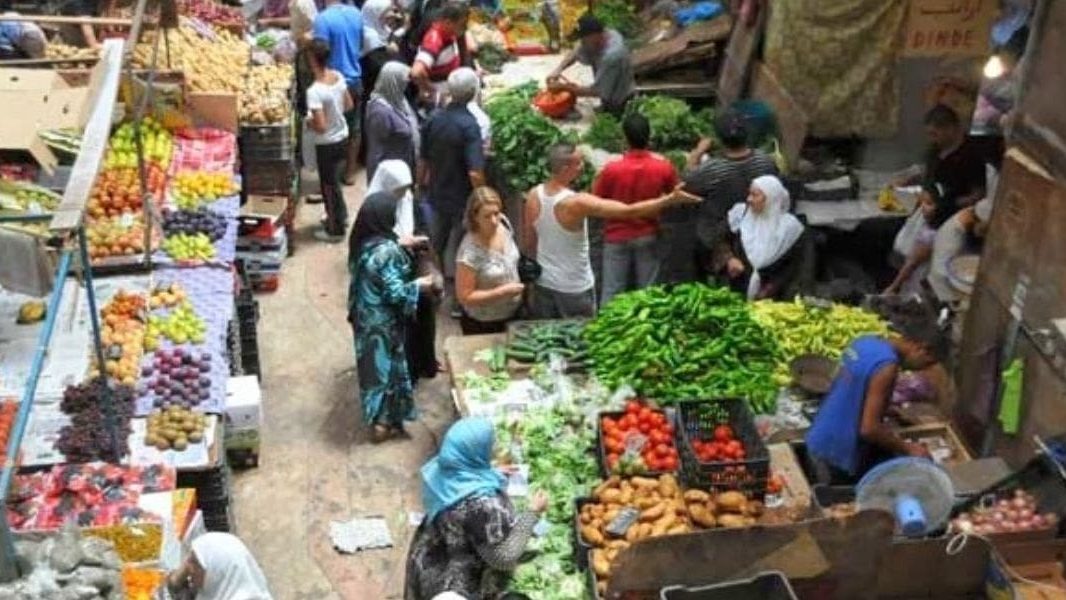
Algeria's Ministry of Domestic Trade and National Market Regulation has opened 560 proximity markets across all 69 of the country's wilayas (provinces) ahead of Ramadan, according to a ministry statement reported by the state news agency APS on 9 February. The aim, the ministry said, was to strengthen regular supply and bring goods closer to consumers during the period of peak food demand.
The markets are part of a wider Ramadan plan presented by trade minister Amel Abdellatif at a national meeting of ministry officials in Algiers at the end of January, according to Algerie360. The minister described the proximity markets as a tool to regulate prices and reduce the number of intermediaries between producers and consumers, by selling basic goods at affordable prices.
Other measures included an extension of the winter sales period and an initiative by the Algerian Economic Renewal Council, a business association, to cut prices during the holy month in partnership with producers and retailers. The ministry also announced real-time monitoring of goods from producer to consumer to combat speculation, reinforced night-time inspections of prepared and traditional dishes with the support of fraud-control laboratories, and campaigns encouraging moderate consumption and less waste. Nine mobile laboratories have been installed at ports and border areas to carry out preliminary checks on imported goods.
The minister also linked the plan to the ministry's 2026–2028 sector strategy, which foresees wider use of digital platforms and the development of e-commerce and electronic payment.
Ramadan is the most important trading period of the year for Algerian food retailers, and price spikes in products such as meat, vegetables and dairy are a recurring political concern. President Abdelmadjid Tebboune had instructed the government to avoid shortages and speculation, and authorities organised imports of meat at regulated prices. During the first ten days of the month, the ministry reported more than 77,000 inspection operations. Modern retail chains remain a small share of the food market in Algeria, so state-run and temporary markets continue to play a large role in price regulation.