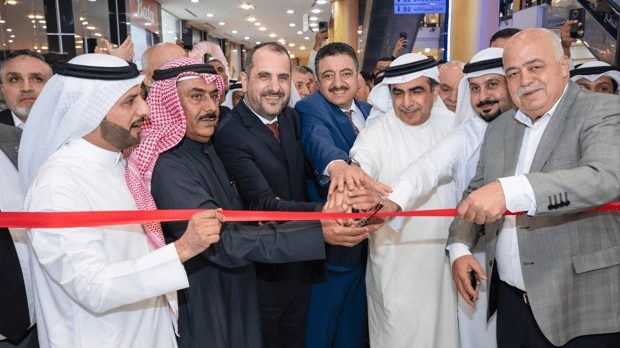
Al Aysh Market, a grocery and household goods retailer with an established presence in Kuwait, has opened its first store in Jordan, choosing Arabella Mall in the northern city of Irbid for its debut. The grand opening took place on 23 May 2026.
The retailer, which already runs more than four branches in Kuwait, sells groceries, fresh produce and household essentials. The company did not disclose the size of the Irbid store but described it as a modern shopping destination with spacious aisles. The launch included a ribbon-cutting ceremony, guided first-look tours and opening promotions, and was attended by local dignitaries and business figures. Amer Abu Obaid, chairman of Al Hussein Irbid Club, sponsored the event.
Chairman Eid Falah Alaysh said the branch reflected the company's commitment to investing in Jordan and was only the beginning, with plans to open further branches to form a chain of markets across the kingdom. No timetable or locations for those stores have been given. Head of operations Mahmoud Al Barri stressed freshness, supply-chain efficiency and service standards, while head of marketing Mohammad Al Zoubi said the company wanted to become part of local family life through tailored promotions and community campaigns.
Starting outside Amman is a notable choice. Irbid is Jordan's second-largest urban area and a university city, but it has historically attracted less investment from organised grocery chains than the capital. Arabella Mall is one of the city's main shopping centres.
The Jordanian grocery market is fragmented, with thousands of independent retailers alongside national chains such as Cozmo, C-Town and Safeway, and Majid Al Futtaim's HyperMax, which replaced Carrefour in 2024. The Jordan Chamber of Commerce estimates that the food trade includes about 14,000 companies – importers, wholesalers and retailers – and employs around 200,000 people.
Cross-border expansion by Gulf-based grocers into Jordan has been relatively rare, making Al Aysh Market's move an interesting test of whether a mid-sized Kuwaiti operator can build scale in a price-sensitive Levantine market.