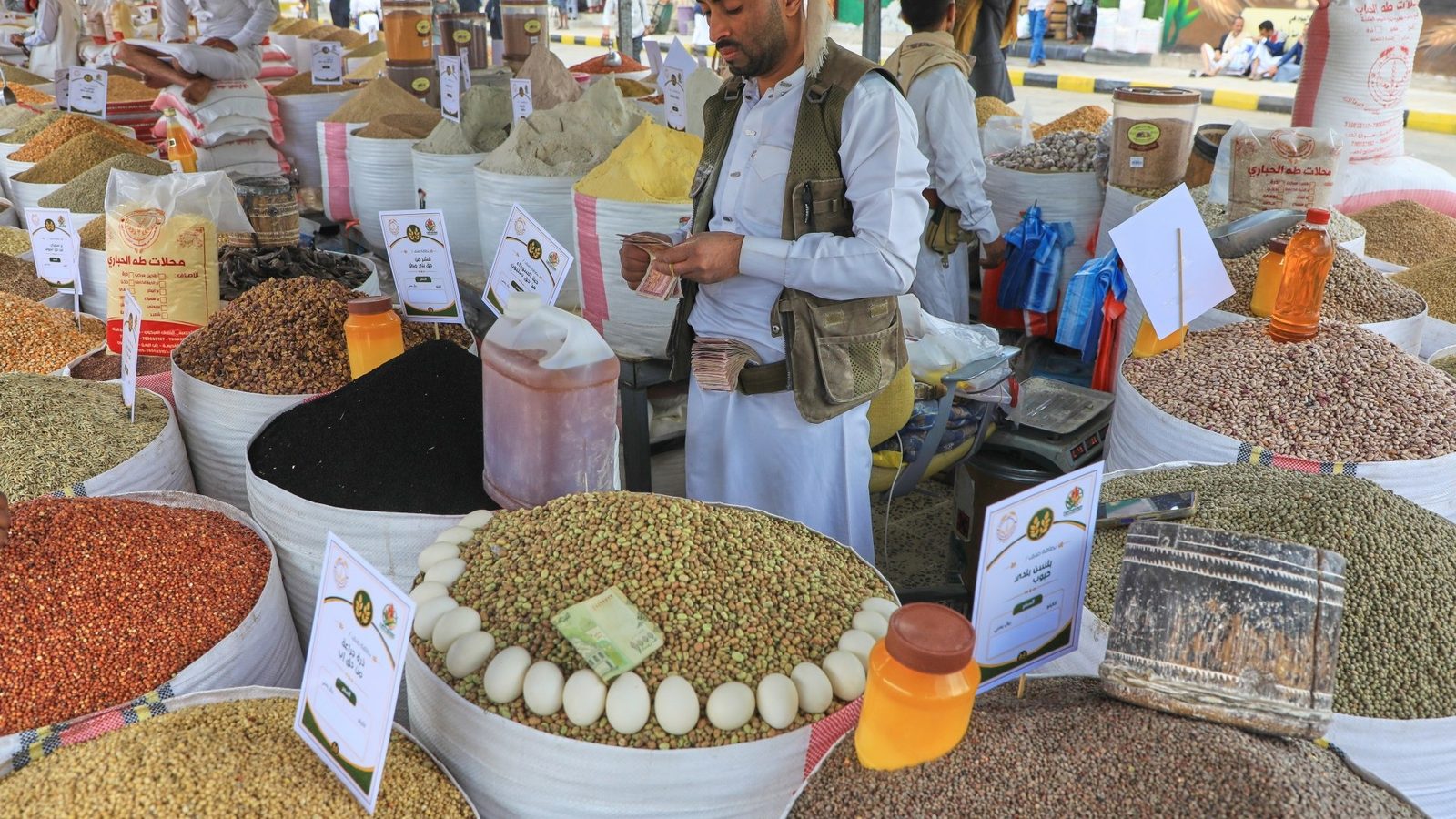
Authorities in government-controlled areas of Yemen have stepped up efforts to control retail prices, according to the May 2026 key message update from FEWS NET, the famine early warning network.
The Ministry of Trade and Industry in Aden is regulating market prices through an administrative circular that sets prices for essential commodities, which it is enforcing in markets. Separately, the Supreme Authority for Medicines and Medical Supplies now requires pharmaceutical companies to print the official retail price on medicine packaging, following sustained increases in medicine prices since January 2026.
The measures come amid continued volatility in consumer prices. FEWS NET said prices of basic food and especially non-food items fluctuated in May as demand rose ahead of the Eid al-Adha holiday. In reference markets outside Aden, prices of cooking oil, diesel, petrol and cooking gas rose by 10–22%, which the network attributed to higher shipping costs and weaker enforcement of price controls. In areas administered by the Sanaa-based authorities, reduced imports and higher shipping costs pushed up prices of some goods, including cooking oil, which rose 13% between March and April.
Liquidity problems are also weighing on trade. FEWS NET estimated that trillions of Yemeni riyals are held outside the formal banking system, causing shortages of local currency. The Central Bank of Yemen in Aden injected around YER 3bn into the economy in March, and the limit on hard-currency exchange transactions was raised from SAR 100 to SAR 1,000. Many small companies have delayed salary payments, and power cuts of more than 18 hours a day in Aden in May reduced opening hours and profits for small businesses.
Earlier reports had said traders were taking advantage of currency shortages to raise prices for food and non-food goods.