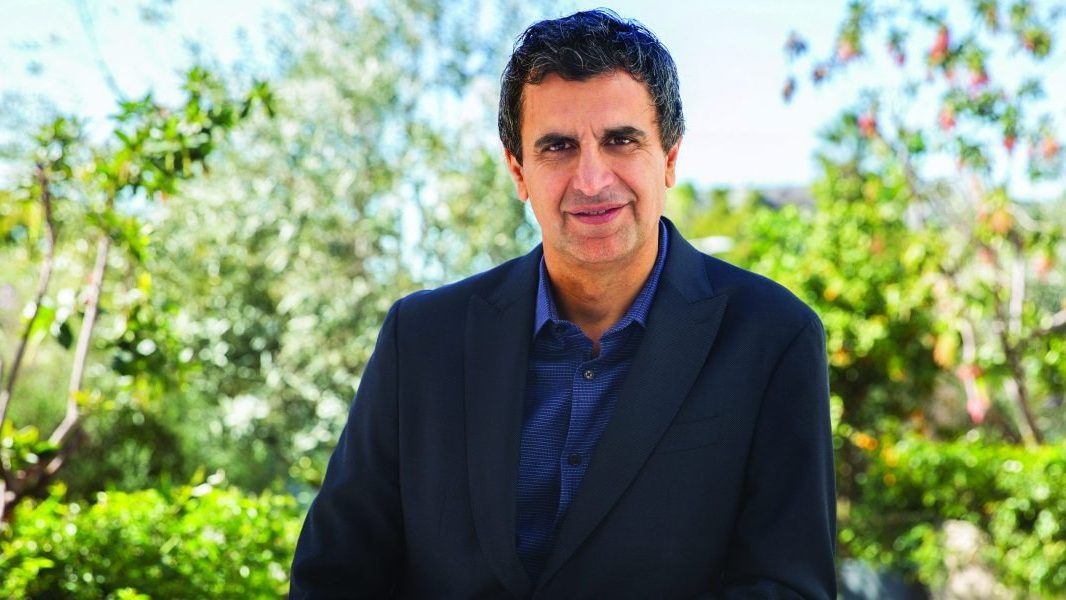
At the Consumer Analyst Group of New York (CAGNY) conference in New York last week, Fernando Fernandez told investors exactly this:
"The times of big corporate big brand messages are gone."
Unilever's CEO did not stop there. He argued that the company has moved to a "social-first demand model" and that the traditional advertising approach that has grown its brands for half a century will be replaced by an army of content creators.
CEOs rarely speak this bluntly
Fernandez has been Unilever's CEO for 11 months.
He runs a company that operates in 190 countries, with 400 brands, 124 factories and annual revenue of USD 60 billion. It also has an experienced CMO responsible for communications strategy: Leandro Barreto.
CEOs do not normally make such strategic statements about marketing. They tend to prefer vague phrases such as "we believe in the strength of our brands" or "we are investing in big opportunities", leaving the tactical details to the CMO. Passing definitive judgement on advertising trends is risky, especially for top executives.
Fernandez broke with that convention.
How realistic is the claim that "big-brand advertising is dead"?
Those who declare something "dead" in marketing are usually wrong, and big-brand advertising is one such case.
What's more, Fernandez's words contradict Unilever's own figures. In its 2025 full-year results, the company said it allocated 16% of revenue to brand and marketing investment. On revenue of USD 60 billion, that amounts to around USD 9 billion.
Yes, the share of the media budget going to social and content creators is being raised from 30% to 50%. That is a dramatic change. But the remaining 50% still means a budget of more than USD 4 billion going to traditional, broad-reach channels: quite a large budget for a medium that has supposedly "died".
Can a World Cup sponsor say "mass advertising is over"?
At the same results meeting, Fernandez described the company's 2026 FIFA World Cup sponsorship as "a real boost" for performance.
It is not possible to pay a nine-figure sponsorship fee for a global event such as the 2026 FIFA World Cup and use it only for micro-targeting through content creators. The purpose of such investments is global, mass reach.
In other words, precisely "big, corporate, broadcast brand messages".
The reality of integrated communications
Suppose content creators really are more effective than traditional advertising at building brands. Even that would not make it rational to load everything onto a single channel.
Marketing is not a theoretical textbook concept; in practice it works through integrated communications. Different channels reach people at different times and in different states of mind.
As Byron Sharp and the Ehrenberg-Bass Institute have shown for years, brand growth comes not from existing loyal customers but from light buyers and those who have not yet bought. And the way to reach them is through mass reach.
Content creators are strong at connecting with existing fans. But reaching new audiences still requires broad-reach media.
Does Vaseline's success apply to every brand?
Vaseline, for example, has achieved 12% volume growth over the past two years and performed impressively on social media. Since product demonstration and user experience are critical in skincare, the creator model makes a lot of sense here.
But how sustainable does it sound to try to boost toilet cleaner sales through "toilet influencers"?
Unilever has tried a one-size-fits-all strategy before
The company previously adopted a strategy of giving every brand a "social purpose". For some brands, such as Dove, Lifebuoy or Ben & Jerry's, this made sense.
But applying the same approach to every brand eventually became forced and artificial, and the company ultimately backtracked.
The lesson was clear: a strategy that works for one brand does not apply to the whole portfolio.
New doctrine, old risk
Today the "purpose-driven brand" doctrine appears to have been replaced by a "social-first, creator-led" approach. But the risk is the same: writing a single prescription for 400 brands with different needs, category dynamics and growth requirements.
If you manage a Unilever brand that needs mass reach and you hear your CEO say "mass advertising is over", it is only natural to feel confused.
Dogmas in marketing change. But the fundamental truth rarely does: growth requires reach, and reach still requires mass communication.