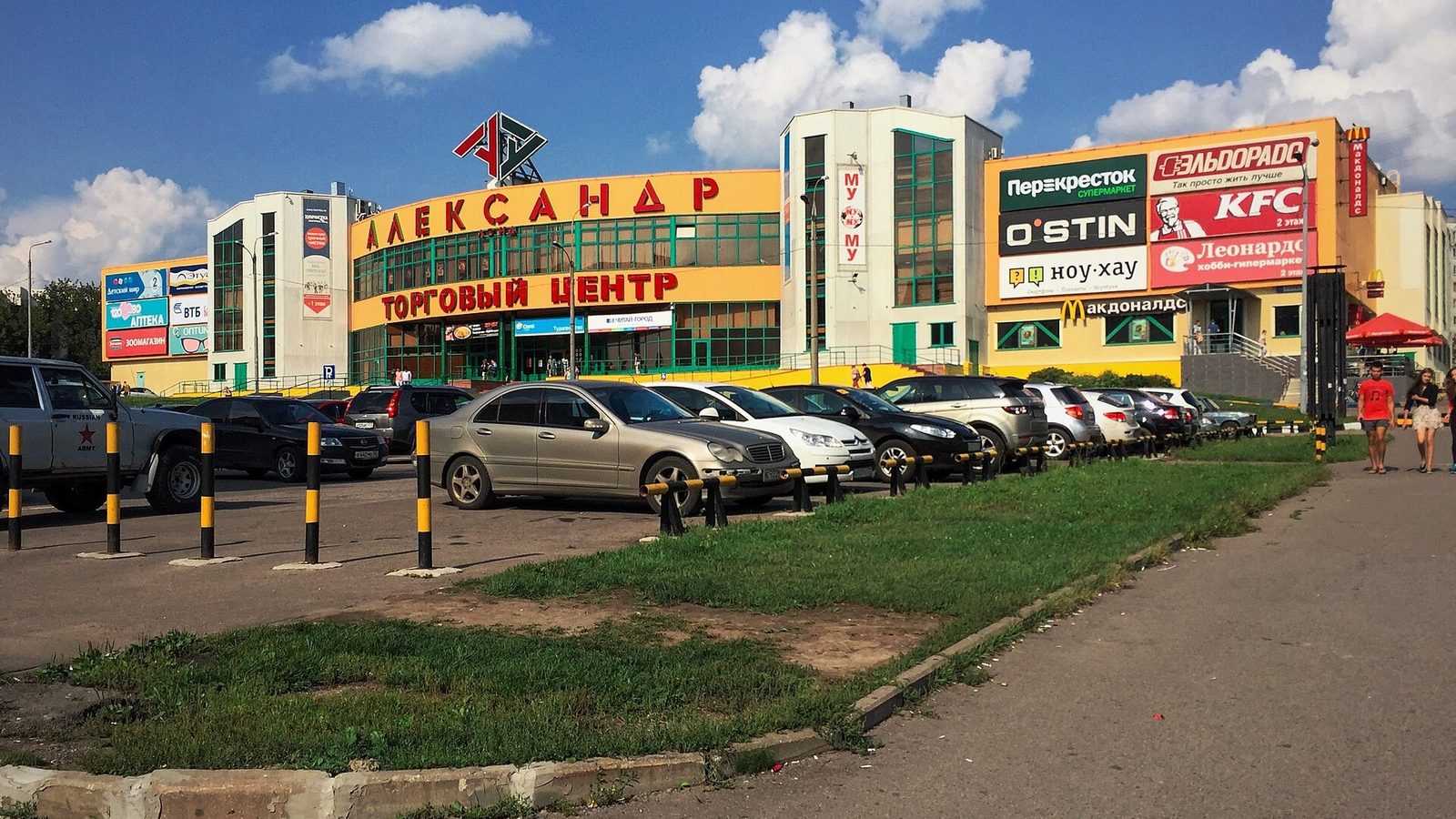
The total number of shops in Russia fell in 2025 for the first time in 25 years, according to data from consultancy Infoline reported by Forbes Russia at the end of March. The decline was spread across formats, from neighbourhood grocery stores and supermarkets to fruit kiosks, mobile phone shops and clothing outlets.
The two largest cities were hit hardest. Moscow had about 82,500 retail outlets at the start of 2026, down from 87,000 a year earlier, while St Petersburg's total slipped from 44,000 to 42,200. In clothing, around 12% of stores across the country closed during 2025.
Grocery chains also slowed down. Between January and September 2025 the largest food retailers opened roughly 5,300 stores nationwide, about 30% fewer than in the same period a year earlier, while simultaneously closing existing outlets. VkusVill and discounter Svetofor each reduced their networks by around 10%.
Infoline founder Ivan Fedyakov pointed to several causes: the steady shift of spending to online channels, rising operating costs and lower margins, including the effect of tighter migration rules and higher wages, and tax increases that took effect on 1 January 2026. Olga Sumishevskaya, a partner at consultancy One Story, cited weaker consumer demand, food inflation and the migration of shoppers from physical stores to e-commerce. She also noted company-specific pressures, such as legal restrictions on alcohol retailer Krasnoye & Beloye and regulatory scrutiny of Svetofor by the Federal Antimonopoly Service.
The data fit a wider picture of a cooling consumer economy. Grocery leader Magnit reported its first annual net loss in more than two decades for 2025, fashion chain Gloria Jeans has announced plans to close around 150 stores by the end of 2026, and the restaurant sector has reported falling traffic and revenue. At the same time, Wildberries and Ozon continue to expand their share of retail spending, accelerating the shift away from small physical stores.