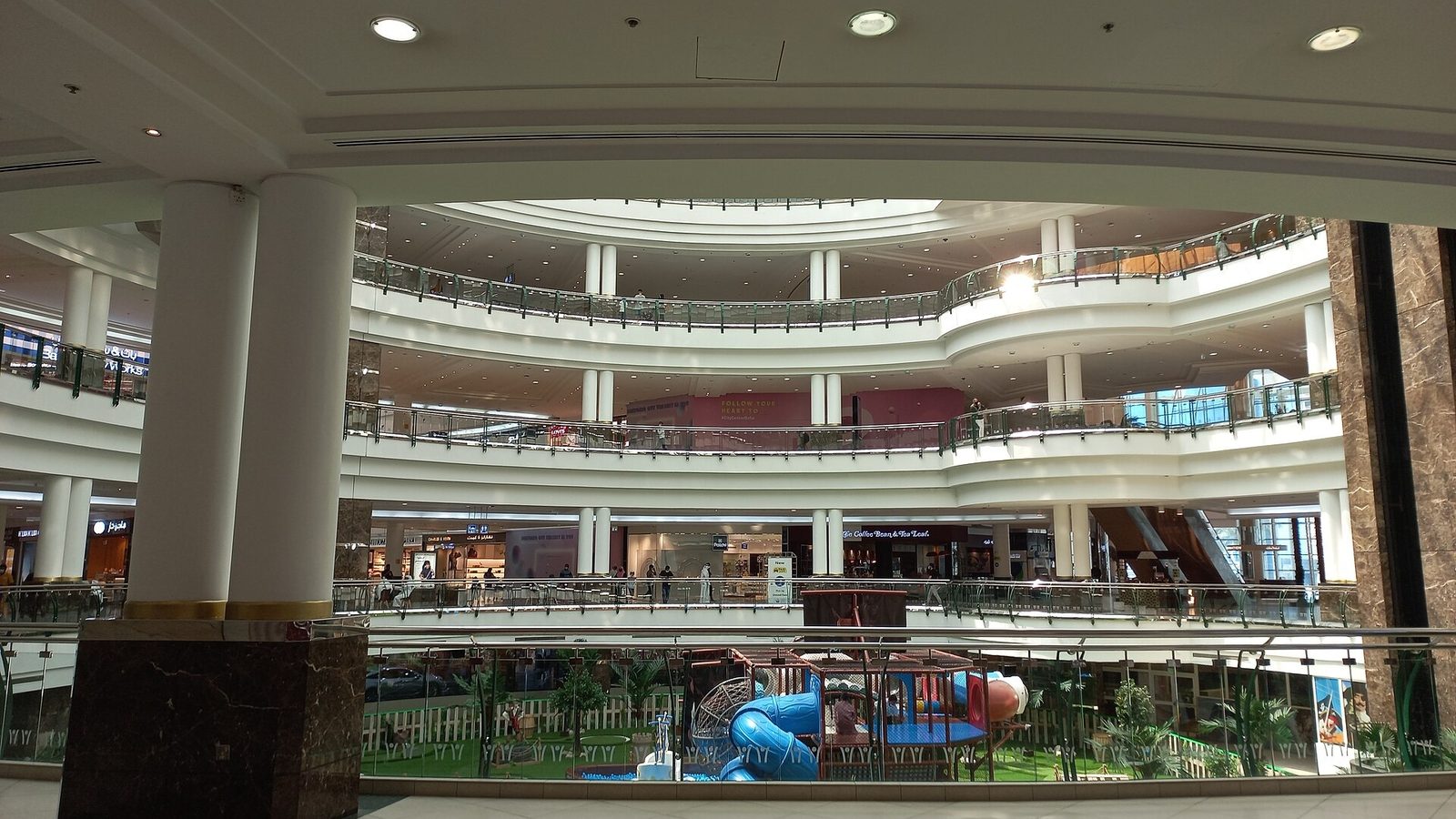
Qatar's retail market is expected to keep growing in 2026, supported by rising tourist arrivals and strong demand for prime shopping destinations, according to Cushman & Wakefield's Q4 2025 review of the Qatari property market, presented in Doha on 11 February and reported by The Peninsula.
Johnny Archer, partner and head of consultancy and research at the firm, said total retail sales in Qatar reached $19.6bn in 2025. Fourth-quarter trading was lifted by the FIFA Arab Cup, which brought visitors from across the Middle East and North Africa, although domestic demand remains the main driver of retail spending. The report noted that international visitor arrivals reached 5.1 million in 2025 and that the GCC unified tourist visa, approved in late 2025, is due to launch during 2026.
The market remains two-tier. Cushman & Wakefield said Doha Festival City, Villaggio and Gate Mall were fully occupied, while some other developments were struggling to attract retailers and footfall. Prime line-store rents in the best malls exceed QR320 per square metre per month, with smaller units commanding higher rates, while line units in secondary malls let for QR170–220. In open-air food and beverage, West Walk and Gewan Island were singled out for strong tenant mixes and footfall.
Several projects are due in 2026, including Al Waab Avenue, Baraha Town, Qetaifan Island Outlet Village and North Gate Mall, while Primark was scheduled to open its first Qatari store at Doha Festival City by the end of the year.
The report also covered hospitality: hotel supply rose by just over 2,000 keys in the past year to about 42,500, with openings including Rosewood Doha and Andaz Doha.
Qatar's mall market expanded rapidly in the run-up to the 2022 FIFA World Cup, leaving landlords with ample space. The data suggests that the best-located, well-managed centres are capturing most of the growth, while weaker schemes face continued pressure to reposition. The firm's later mid-year update described the outlook as cautiously positive after regional conflict disrupted trading in the spring.