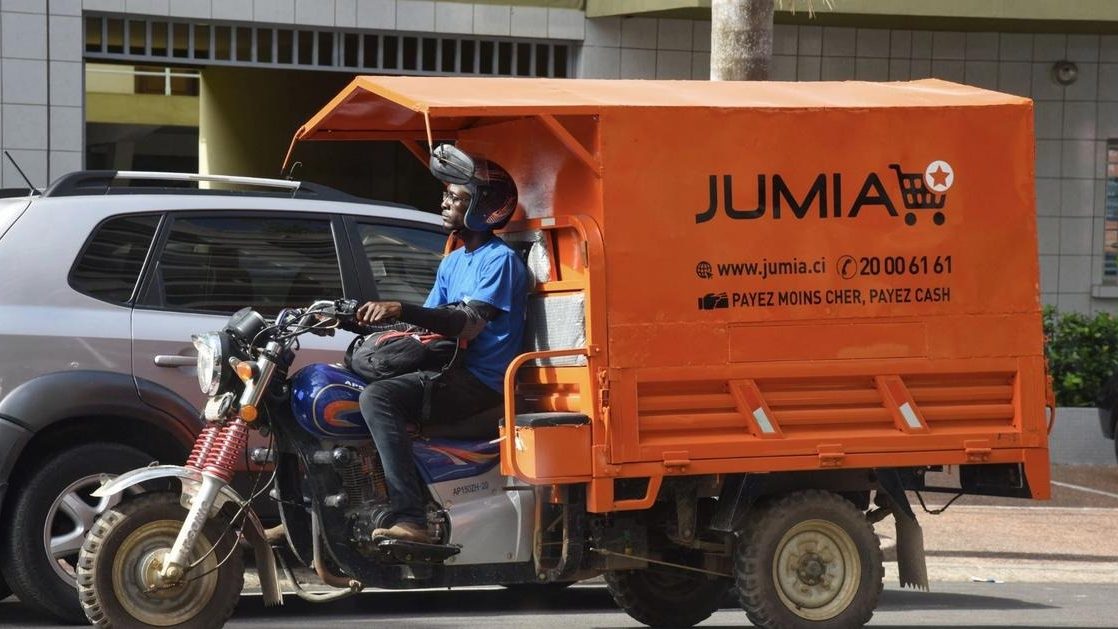
Nigeria has become Jumia's largest market, overtaking Côte d'Ivoire in the first quarter of 2026, according to a report by Semafor following the company's quarterly results. Gross merchandise value in Nigeria rose 42% year on year in the period.
Group revenue increased 39% to US$50.6m in the first quarter, and the number and value of orders fulfilled each grew by more than 30%, although pre-tax losses widened. The NYSE-listed company said it expected to generate positive cash flow in the fourth quarter of 2026 and to reach profitability by the end of 2027. Its shares rose by around 22% in pre-market trading after the results were published.
Part of the growth has come from cross-border supply. Jumia began bringing in products from Chinese vendors about two years ago, and sales of items listed by international sellers – mainly from China and Turkey – rose 87% year on year in the quarter. Chief executive Francis Dufay told Semafor that expanding Chinese sourcing was partly a response to competition from Temu, which entered Nigeria in late 2024, and Shein.
Dufay also pointed to rising costs. Higher fuel prices linked to the conflict involving Iran were adding to operating expenses, he said, but the company could not easily pass them on because customers' willingness to pay was limited. He estimated that core customers in Nigeria, Kenya and Egypt earn around US$300 a month.
The results reflect a substantial reshaping of Jumia. The group has exited South Africa, Tunisia and Algeria and now operates in eight African countries, concentrating on markets where it sees a path to profitability. In Nigeria it has been expanding its logistics network into northern and inland states to reach shoppers beyond Lagos and Abuja. E-commerce still represents a small share of total retail spending in Nigeria, where most consumer purchases go through open markets and small independent shops.