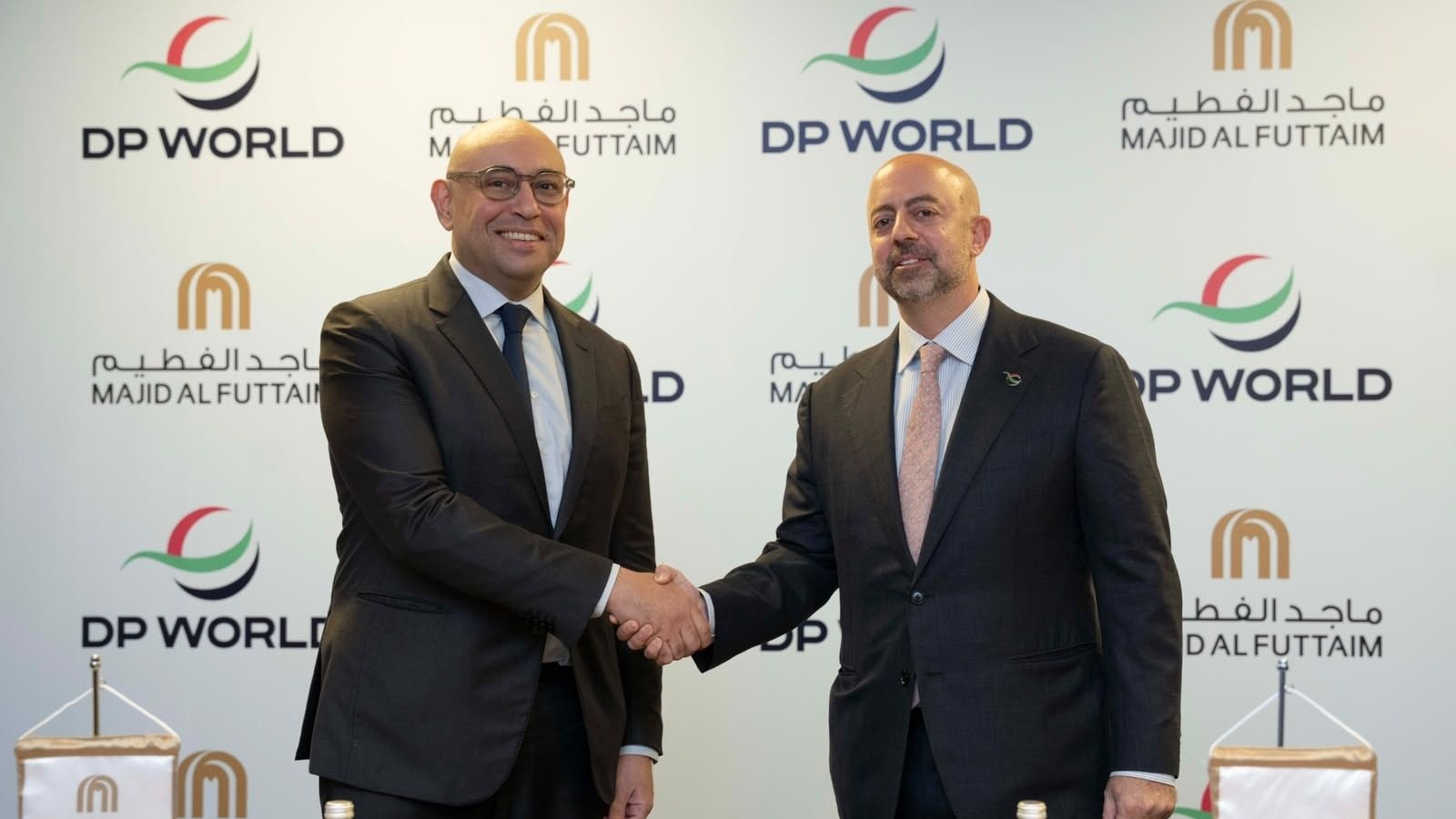
Majid Al Futtaim, which operates Carrefour stores across the Middle East and Africa, has signed a memorandum of understanding with port and logistics group DP World to increase exports of Egyptian products to the UAE. The agreement was signed at Mall of Egypt in Cairo on 17 November by Majid Al Futtaim Holding chief executive Ahmed Galal Ismail and Ahmad Yousef Al-Hassan, chief executive and managing director of DP World GCC.
The partnership will initially focus on fresh fruit and vegetables. Produce from Majid Al Futtaim's Egyptian suppliers will be consolidated in DP World's temperature-controlled facilities at Sokhna, shipped through Sokhna Port to the UAE on DP World's regional feeder services, and then moved under refrigeration to Jebel Ali for distribution to the retailer's network. The companies will also explore cooperation on sourcing, consolidation, cold-chain logistics, customs clearance and distribution.
The longer-term aim is to create an Egypt-origin export platform that can expand into further product categories and destination markets. Majid Al Futtaim said it plans to significantly increase its container volumes from Egypt to the UAE, although specific volume targets were not disclosed. The group already exports Egyptian products — including fresh produce, consumer goods, dairy and deli items, light household products and textiles — to seven markets in the GCC and Africa.
Ismail described the agreement as the next chapter in the group's long-term commitment to Egypt. Al-Hassan said the partnership would build a seamless trade corridor from farm to shelf.
Majid Al Futtaim has invested US$2.7bn in Egypt since entering the market in 1998, supporting more than 226,000 direct and indirect jobs, and sources 99.8% of the products it sells there locally, according to the joint release. DP World has operated Sokhna Port since 2008, has invested more than US$1.4bn in Egypt and opened the Sokhna Logistics Park in October 2025.
For Gulf grocers, diversifying sources of fresh food is a strategic priority, as the region imports the vast majority of its food and supply chains have been disrupted by regional shipping problems. Shorter, more reliable cold-chain corridors can help reduce waste, improve freshness and control costs.