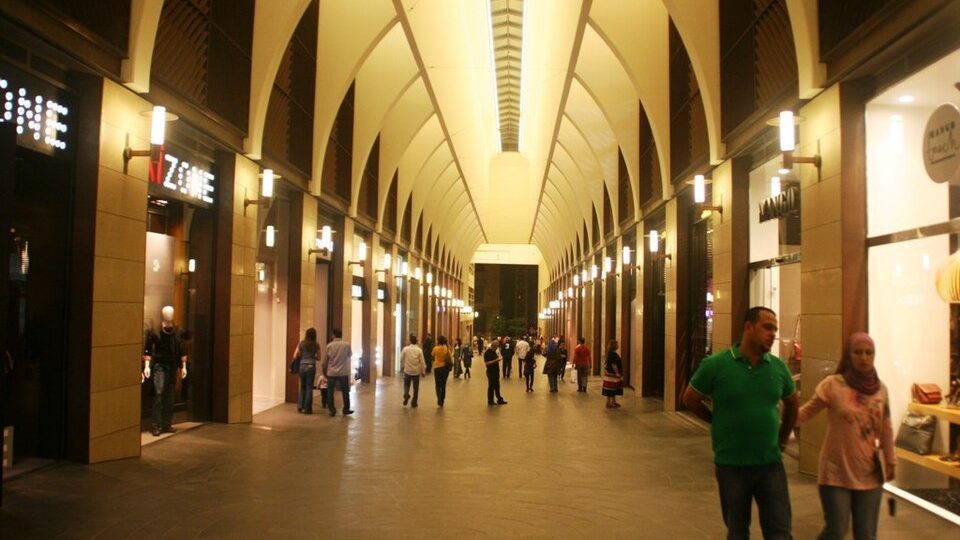
Lebanon's retailers are contending with a steep fall in consumer demand and rising operating costs as renewed conflict weighs on the economy, according to reporting by the Associated Press and other outlets in May 2026.
Shoppers are cutting back on non-essential purchases, leaving many stores quiet, the AP reported. Traders described customers checking price tags and leaving without buying, and households postponing spending on items and occasions that are not strictly necessary. A Beirut restaurant operator told the agency his revenue had fallen by about 90% since fighting began, forcing him to cut staff and lower menu prices. A sportswear retailer whose shop was destroyed in the Chiyah area said he was unsure whether to reopen.
Costs have risen at the same time. Prices across the economy have climbed since late February, when the wider regional conflict involving Iran began, pushing up fuel costs. Many businesses depend on private neighbourhood generators for electricity, and some have seen generator bills double, according to the report. Some shops have shortened their opening hours or closed on certain days to save money.
Economy Minister Amer Bisat said his ministry had carried out more than 4,000 inspections of private generators, petrol stations and shops since the war began in March, and had filed dozens of complaints with the courts over price gouging. The AP noted, however, that the authorities have limited leverage over the small number of companies that import and distribute fuel and many other goods. Bisat estimated the war's cost to the economy at around 7% of GDP.
The pressures are reflected in sector data. The Beirut Traders Association–Fransabank Retail Index fell in both the first and second quarters of 2026, with categories such as sportswear, perfumes and cosmetics recording some of the steepest real declines in the second quarter.
The downturn follows a tentative recovery in 2025 and early 2026, during which several international retailers had reopened or expanded in Lebanon. Business groups have warned that any prolonged disruption risks reversing those gains.