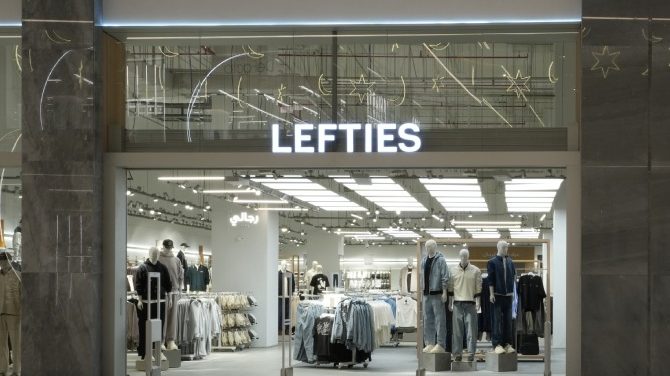
Iraq Mall, a large-scale shopping and mixed-use complex in Baghdad's Al-Dora district, opened to the public on Thursday 19 February 2026, according to trade publication FashionUnited. The opening came well over a year after the original target of October 2024.
The project is owned by Iraqi businessman Hassan Al-Lami and covers more than 550,000 square metres. It is designed to hold over 1,000 shops alongside a 23-storey mixed-use tower, and is widely described in local coverage as the biggest shopping centre in Iraq. Citing Iraqi News, FashionUnited reported that the complex employed around 4,000 people at opening, a figure the operators expect could rise to as many as 50,000 once the scheme is fully trading.
The mall has been positioned as a gateway for international retailers that had previously been absent from Baghdad or present only through informal channels. Lebanon-based franchise group Azadea is the most prominent operator, with Inditex's fashion chains scheduled to open in the days after the launch. Other brands named in early tenant lists include Lacoste, Skechers, Boggi Milano, Mango and Punt Roma.
Groceries are a key part of the offer. Gray Mackenzie Retail Lebanon, which operates the Spinneys supermarket brand, had earmarked Iraq Mall for its first store in the country, a hypermarket of more than 7,000 square metres covering fresh produce, groceries and general merchandise. The company has said it would source from local suppliers where possible, and industry analysts quoted in regional trade media expect its arrival to sharpen competition among supermarket operators in the capital.
The scale of the scheme reflects growing investor interest in modern retail in Iraq, where most shopping still takes place in traditional markets and independent stores. A number of new malls have opened in Baghdad and the Kurdistan Region in recent years, and international brands have increasingly moved from distributor arrangements to formal, franchised stores.
The timing was challenging. The mall opened just over a week before US and Israeli strikes on Iran sharply raised regional tensions, and Iraqi traders were simultaneously protesting against higher customs tariffs on imported goods, which affect the cost base of retailers selling imported merchandise.