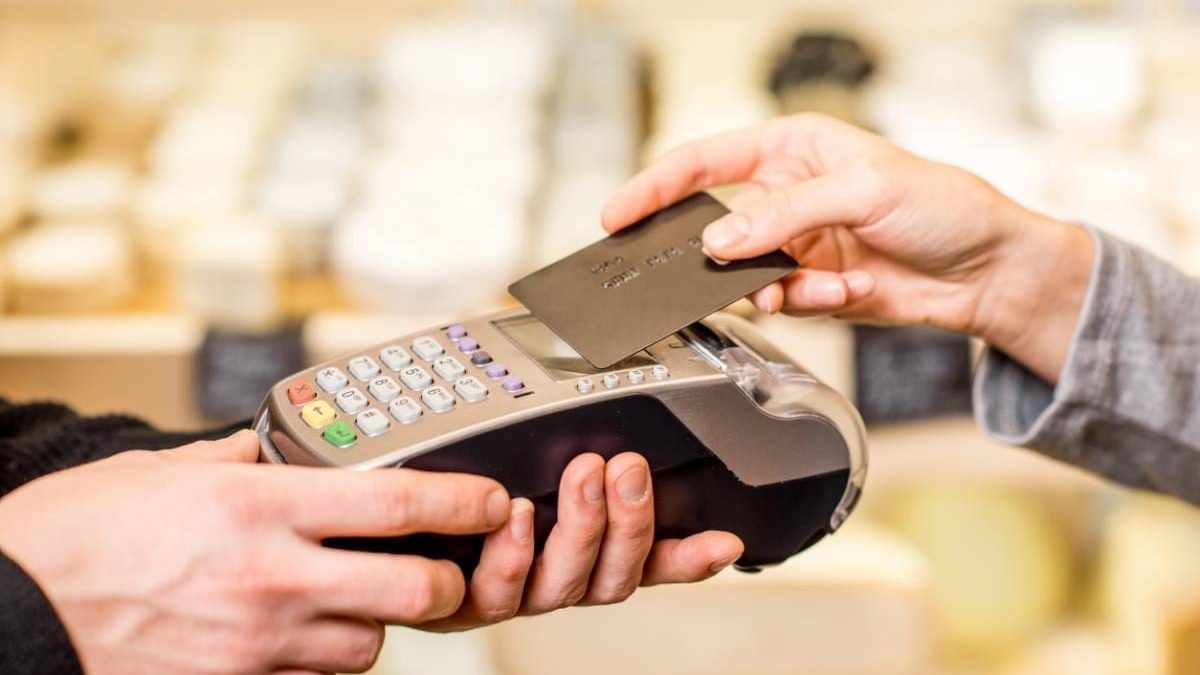
Fewer than 10% of shops in Algeria are equipped to accept card payments, according to figures presented by the country's interbank payments body, GIE Monétique, and reported by Algerie Eco on 12 May.
Speaking on national radio on 10 May, Aboubakr Belloul of the GIE Monétique said Algeria had just over 100,000 active electronic payment terminals (TPE), compared with around 1.2 million registered merchants. Because some businesses have several terminals, the share of shops able to take cards is lower than the ratio suggests. He said there was a very large gap to fill, that more than a million terminals would be needed, and that such a roll-out could not be achieved quickly in 2026.
There has nonetheless been rapid progress. The number of terminals rose by about 33%, from around 78,000 in December 2025 to more than 100,000 in March 2026. Over the same period, the number of online merchants accepting e-payments grew from 644 to 859.
Usage remains low. Just over one million card payments were made at physical terminals in March, an average of about ten transactions per terminal per month, or roughly one payment every three days. Many consumers still prefer to withdraw cash and pay in notes. Algeria has around 22.5 million payment cards in circulation – 18 million Edahabia cards issued by Algérie Poste and 4.5 million CIB bank cards – and around 4,700 cash machines, equivalent to about 14 per 100,000 adults, well below international averages. Seven banks have adopted mobile payment, while Algérie Poste's integration is still pending.
The authorities have made the expansion of electronic payment a priority, including within the trade ministry's 2026–2028 strategy, and have introduced obligations for merchants to offer card payment in recent years. For retailers, wider card acceptance could reduce cash-handling costs and support the development of omnichannel services, such as those being introduced by Yassir in the former Uno hypermarkets. The GIE Monétique has called for awareness campaigns aimed at both merchants and consumers.