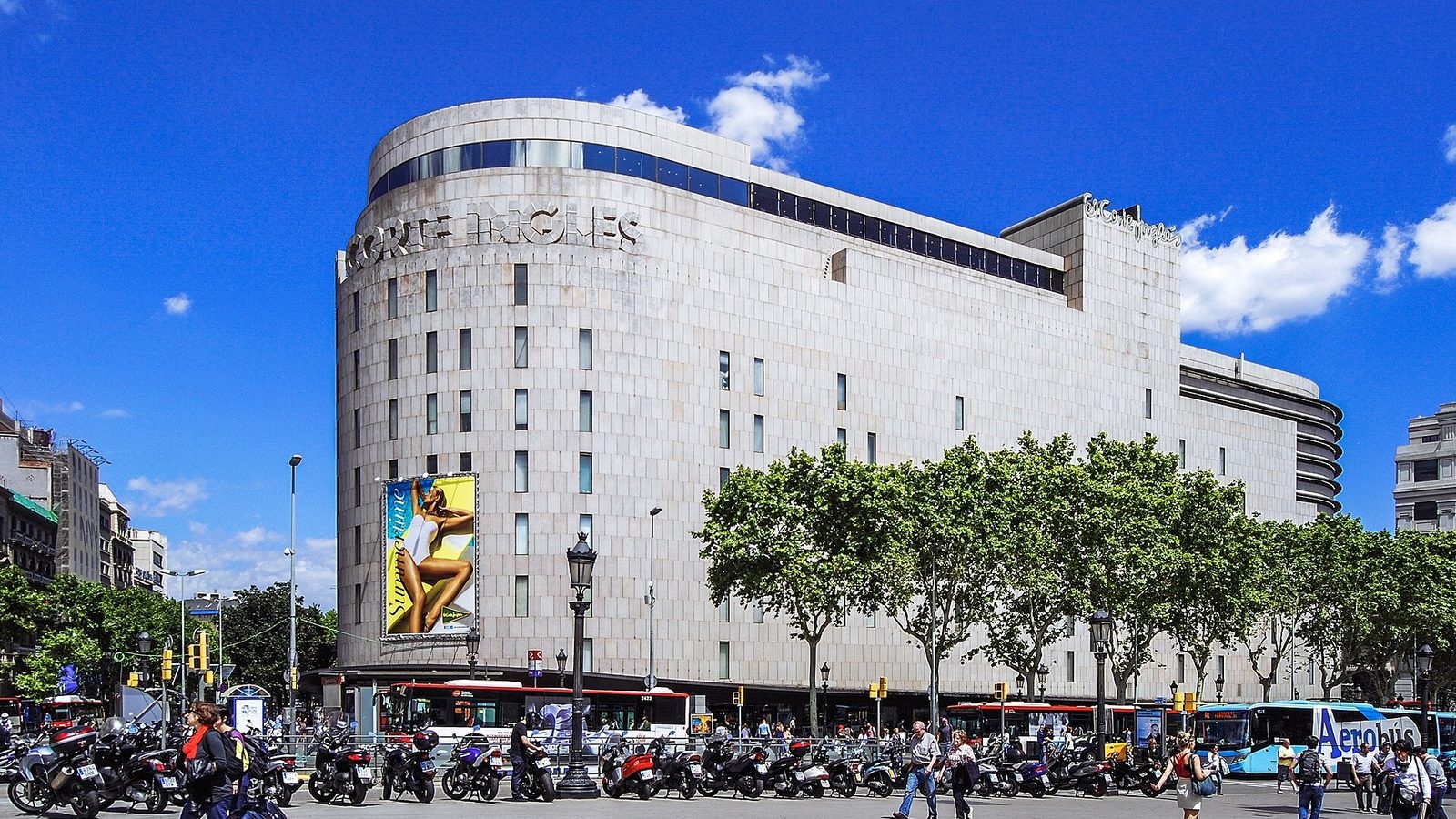
El Corte Inglés has reported a strong increase in profit for its latest financial year and told shareholders it will step up investment in its stores, logistics and technology.
For the twelve months to 28 February 2026, the Spanish department store group recorded total revenue of €17.247bn, up 3.43%, and net profit of €628m, an increase of 22.65%, according to figures presented at the annual general meeting in Madrid on 24 July and reported by FashionUnited. Net debt fell by €148m, bringing leverage down to 1.3 times EBITDA, which the company described as its lowest level in almost two decades.
Shareholders approved all the board's proposals, including the accounts and the allocation of results, and ratified Javier Catena as chief executive following his appointment in June.
Chair Cristina Álvarez, who took over the role in January, said the updated version of the 2025–2030 strategic plan would be submitted to the board in September and would include a more ambitious investment programme than originally envisaged. The money will be directed at three areas: the store network, logistics and technology. Álvarez described physical stores as a differentiating asset and, more than ever, a place for experiences and human interaction, while the website and app are expected to remain an important source of growth.
The company also highlighted artificial intelligence as a tool to personalise shopping, improve product availability and speed up customer service, while stressing that technology would not replace its core values. Álvarez said the group was operating in a period of structural change, uncertainty and technological acceleration, and that the customer remained the company's reason for being.
Founded in 1940, El Corte Inglés operates department stores across Spain and Portugal as well as supermarkets, convenience stores, a travel agency and an insurance business. Its shareholders include Qatar's sovereign wealth fund alongside the founding families. The results show the group continuing to rebuild profitability after the disruption of the pandemic years, when it sold real estate and restructured its debt.